

U.S. Housing Market Enters Spring 2026 at a Crossroads as Mortgage Rates Decline and the Lock-In Effect Begins to Ease
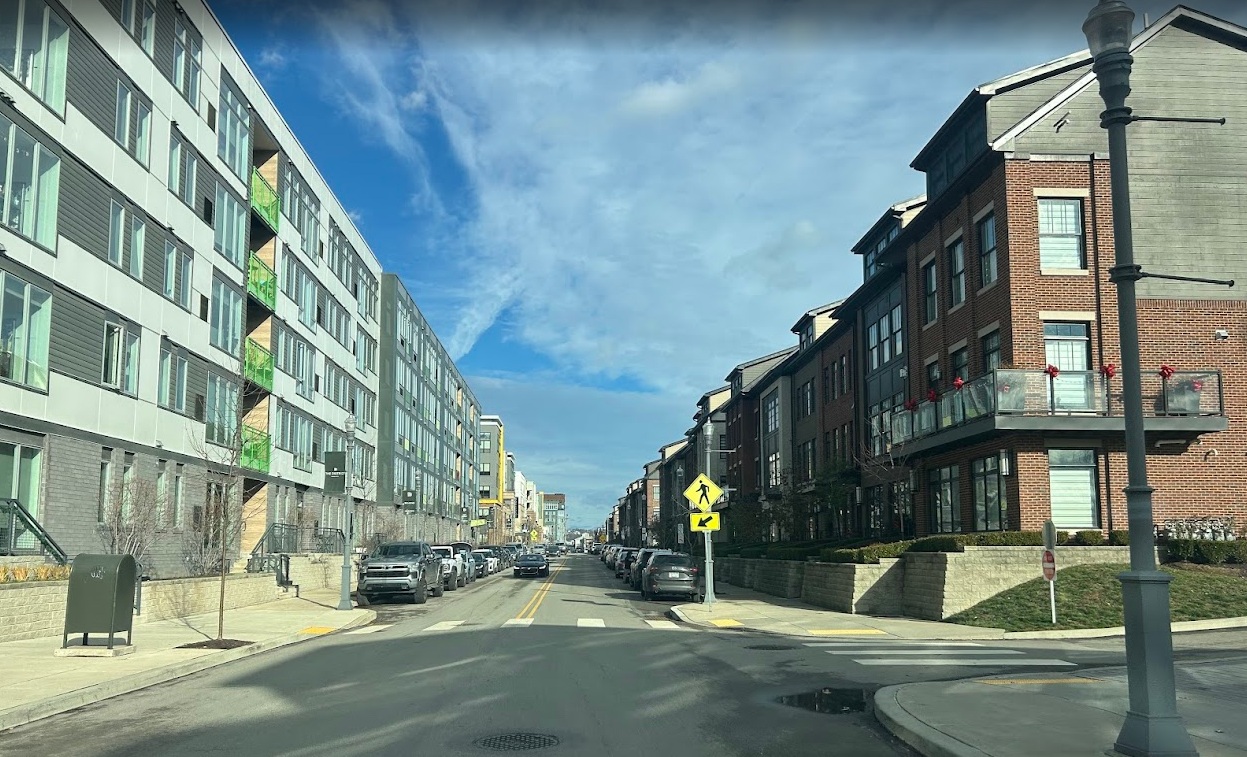
Residential and mixed use development reflects a national housing market slowly rebuilding inventory after years of historically tight supply.

Pittsburgh's housing market posted a 5.8% year over year price gain through early 2026, ranking among the top five nationally according to the American Enterprise Institute.
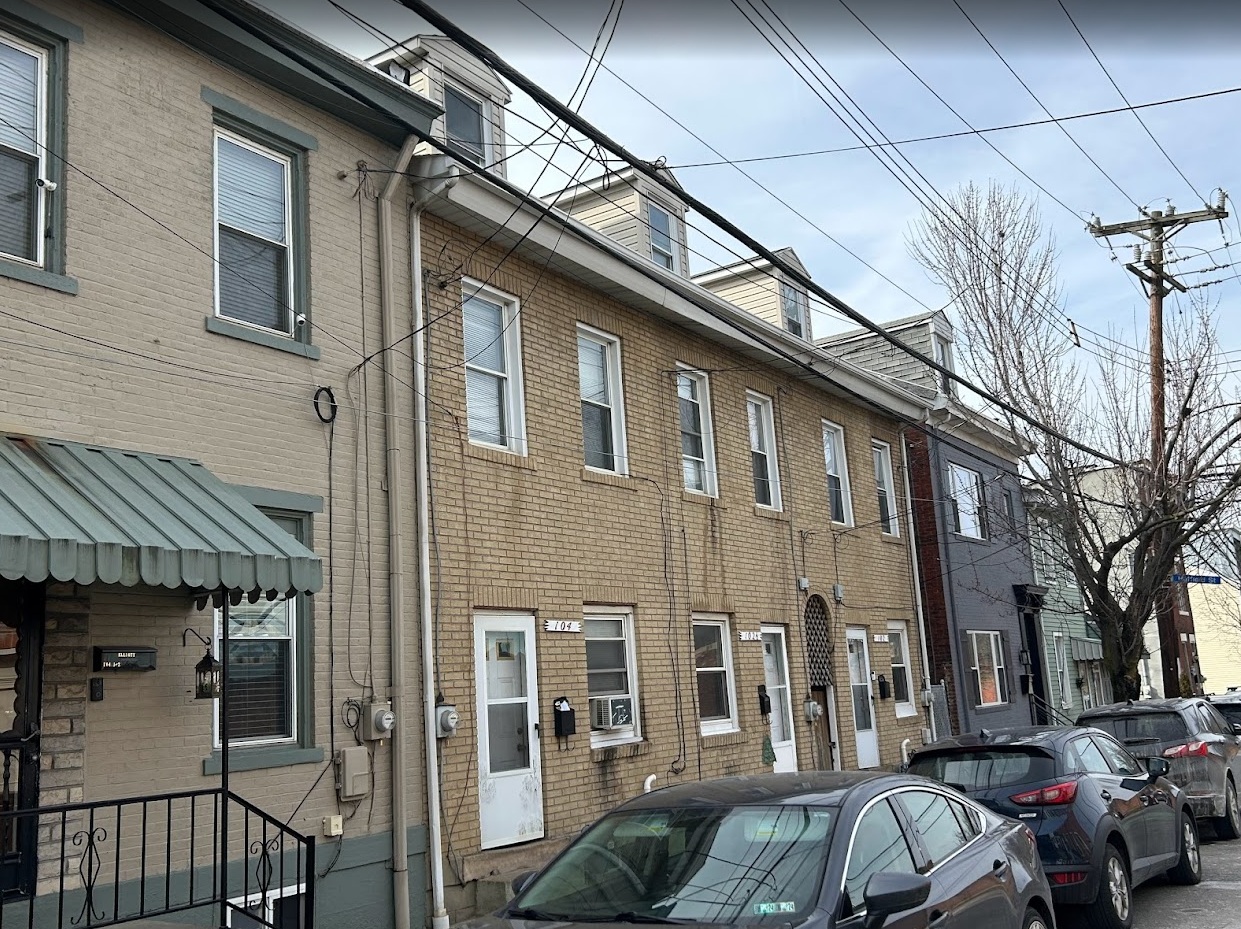
Pittsburgh remains one of the least locked-in housing markets nationally, with homeowners facing only a 32.5% payment increase to move compared to 179.6% in San Jose.
Freddie Mac reports the lowest spring mortgage rates in three years as inventory rebuilds and the lock in effect eases.
The data as of late April 2026 points to a market slowly transitioning out of the frozen conditions that defined 2022 through 2024. Housing economists and market analysts have noted that conditions vary significantly by region and that near-term forecasts remain subject to rate volatility and geopolitical pressures.
According to Freddie Mac's Primary Mortgage Market Survey released April 23, 2026, the 30-year fixed-rate mortgage averaged 6.23%, its lowest level during any spring homebuying season in three consecutive years. One year ago, the same benchmark stood at 6.81%. The 15-year fixed-rate mortgage averaged 5.58%, down from 5.94% one year earlier. Rates peaked at nearly 8% in October 2023 before gradually declining over the past 30 months. The historical median 30-year fixed rate since 1971 stands at 7.24%, placing current rates below the long-run average. Day-to-day volatility persists as bond markets respond to inflation data, energy prices, and geopolitical pressures. The March consumer price index reported inflation at 3.3% year over year, the fastest pace since April 2024, maintaining upward pressure on borrowing costs despite the broader downward trend.
The National Association of Realtors (NAR) reported on April 13, 2026, that existing home sales fell 3.6% month over month in March to a seasonally adjusted annual rate of 3.98 million units, the lowest reading in nine months and below market expectations of 4.06 million. All four regions tracked by NAR recorded month-over-month declines. NAR Chief Economist Dr. Lawrence Yun attributed the slowdown to lower consumer confidence and softer job growth, noting the data reflects contracts signed in January and February during a period of elevated rates and above-normal winter weather. Despite the sales slowdown, the median sales price reached $408,800 in March, up 1.4% year over year, marking the 33rd consecutive month of annual price increases. Yun noted that sustained appreciation has enabled the typical homeowner to accumulate $128,100 in housing wealth over the past six years. NAR revised its 2026 forecast to a 4% annual increase in existing home sales, down from an earlier projection of 14%, citing mortgage rate pressure tied to geopolitical tensions.
Unsold inventory totaled 1.36 million units in March, equivalent to 4.1 months of supply, up from 3.8 months in February, though both figures remain well below historical averages. NAR estimates an additional 300,000 to 500,000 homes would be required to bring the market closer to balance. Active listings rose 8.1% year over year according to ResiClub Analytics but remain 13.6% below March 2019 levels. Pending home sales rose 1.5% month over month, a leading indicator that buyer demand remains present.
One of the most closely watched dynamics entering the 2026 spring season is the gradual easing of the mortgage rate lock-in effect. For several years following the pandemic, tens of millions of homeowners who secured rates below 3% declined to sell, unwilling to trade those payments for rates exceeding 6 and 7%. This suppressed inventory across most markets and kept prices elevated even as buyer demand softened. As of Q3 2025, the share of outstanding mortgages at 6% or higher has now surpassed the share below 3% for the first time, according to Realtor.com data. A Coldwell Banker survey of more than 700 active agents conducted in late March and early April 2026 found that 35% of current spring sellers hold a rate below 5% and are listing regardless, an early signal that life circumstances are beginning to override the financial penalty of giving up a low rate. Further analysis is available in the 2026 housing market outlook covering how these trends are affecting homeowners across the country.
The financial penalty for moving varies significantly by market. According to Realtor.com data, homeowners in San Jose, California, face a 179.6% increase in estimated monthly mortgage payments if they sell and buy a comparable home today. Pittsburgh, Pennsylvania, homeowners face a 32.5% increase, one of the smallest penalties nationally, reflecting the region's relative affordability and lower baseline home prices. Markets with smaller lock-in penalties are historically among the first to see inventory recovery as the effect fades.
The national data reflects a significant regional divide. Eleven states including Florida, Texas, Arizona, Colorado, and Tennessee have surpassed pre-pandemic inventory levels, contributing to price softness in those markets. Florida, which saw some of the sharpest pandemic era appreciation nationally, has recorded a statewide home value decline of 4.3% year over year according to Zillow's Home Value Index, while Austin, Texas, remains nearly 28% below its 2022 peak according to the American Enterprise Institute. Midwest and Northeast markets where inventory remains constrained continue recording modest appreciation. Nationally, home prices rose just 0.8% year over year between March 2025 and March 2026 per ResiClub's analysis of the Zillow Home Value Index, with 89 of the nation's 300 largest housing markets posting year-over-year declines in March.
Cash transactions accounted for 26% of existing home sales in March 2026 according to NAR, a share elevated since 2022. For homeowners navigating inherited properties, deferred maintenance, or situations where timing matters, the cash transaction market has provided an alternative path when traditional financing creates uncertainty.
Buys Houses is a cash home buying company serving homeowners across Pittsburgh and Western Pennsylvania. The company works directly with homeowners in all situations including inherited properties, vacant homes, and properties in any condition. Homeowners in Western Pennsylvania seeking information about selling options can contact Buys Houses directly or visit the company's Pittsburgh page to learn more about selling a home for cash in Pittsburgh. At Buys Houses, the company handles all of the work so homeowners do not have to.
Carlo Finotti
Buys Houses
+1 412-561-9833
email us here
Legal Disclaimer:
EIN Presswire provides this news content "as is" without warranty of any kind. We do not accept any responsibility or liability for the accuracy, content, images, videos, licenses, completeness, legality, or reliability of the information contained in this article. If you have any complaints or copyright issues related to this article, kindly contact the author above.
